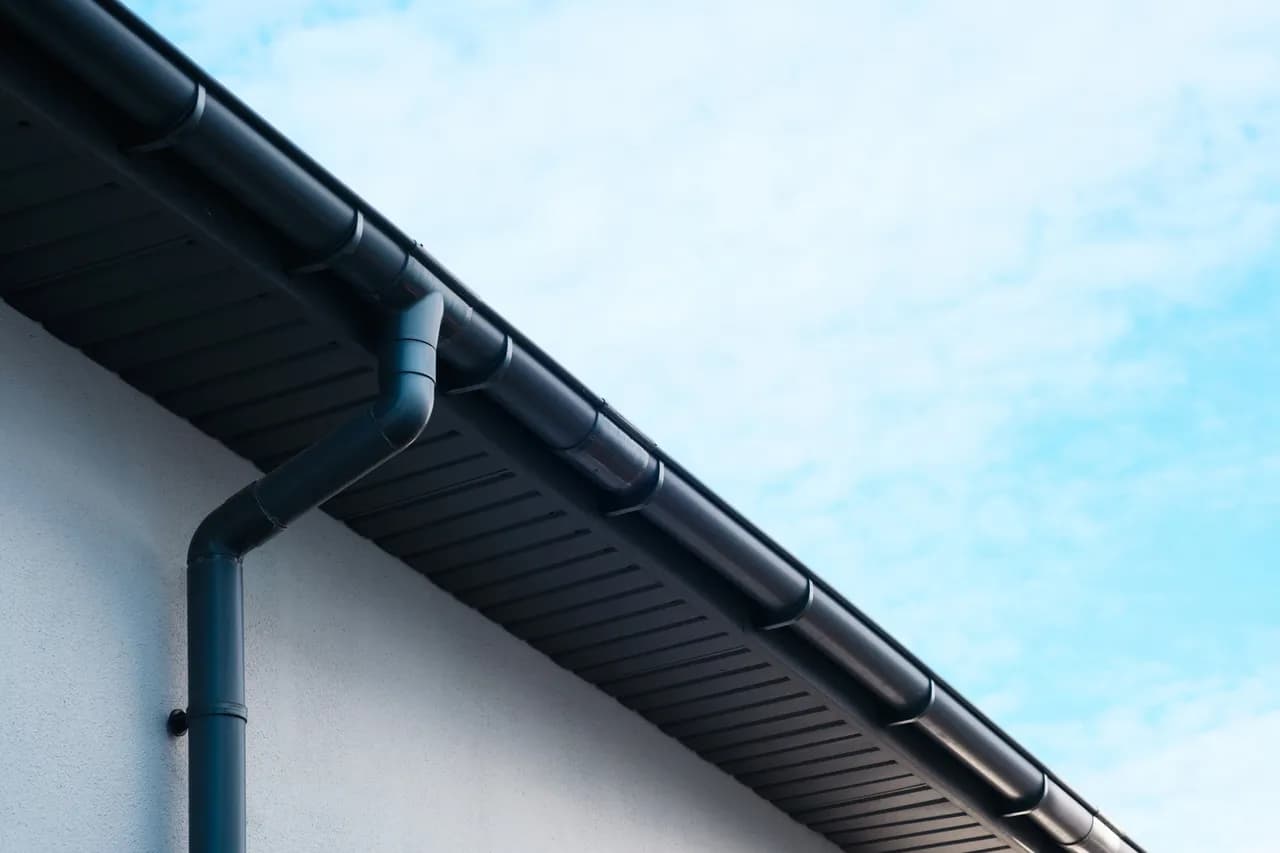
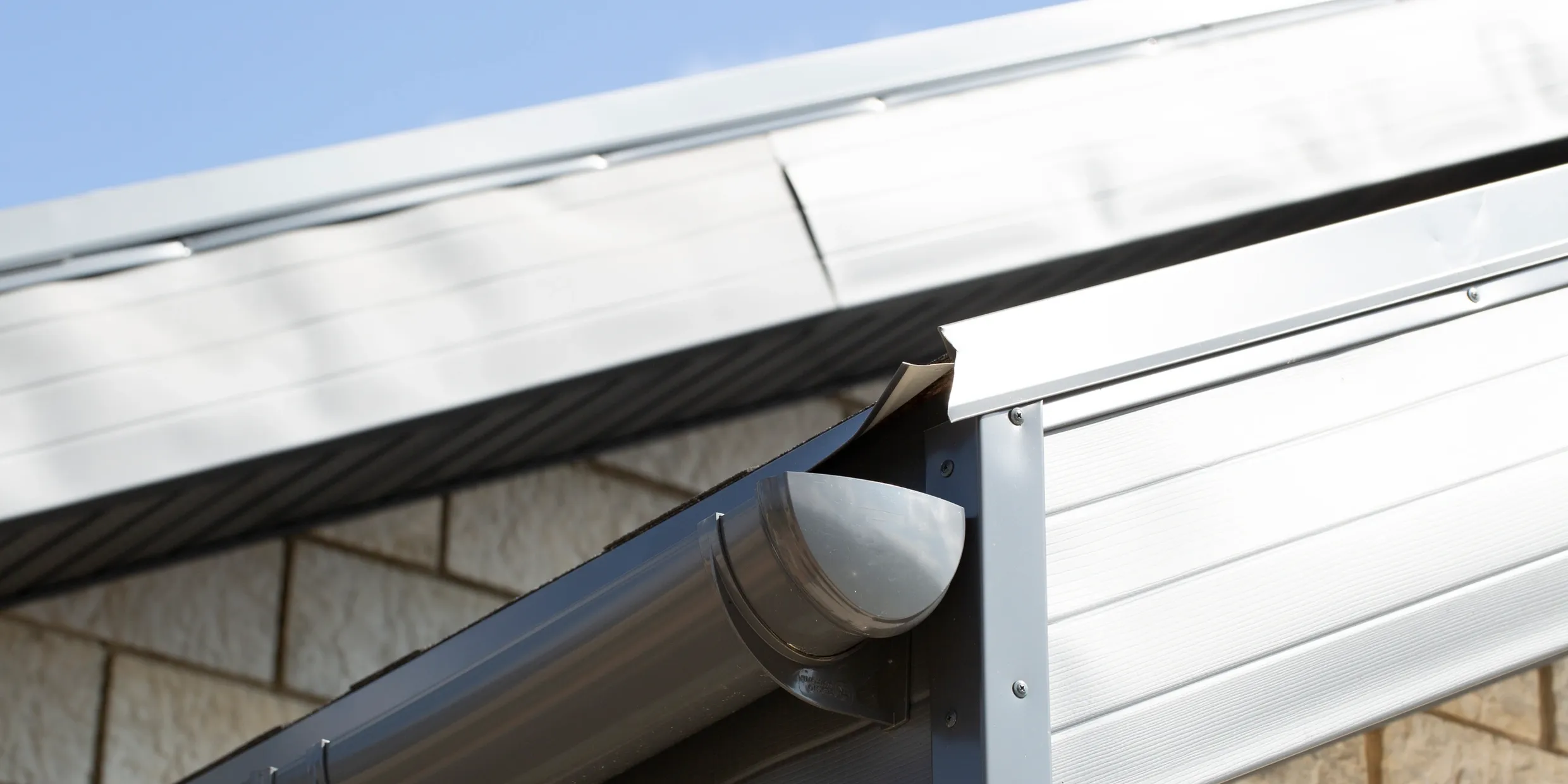
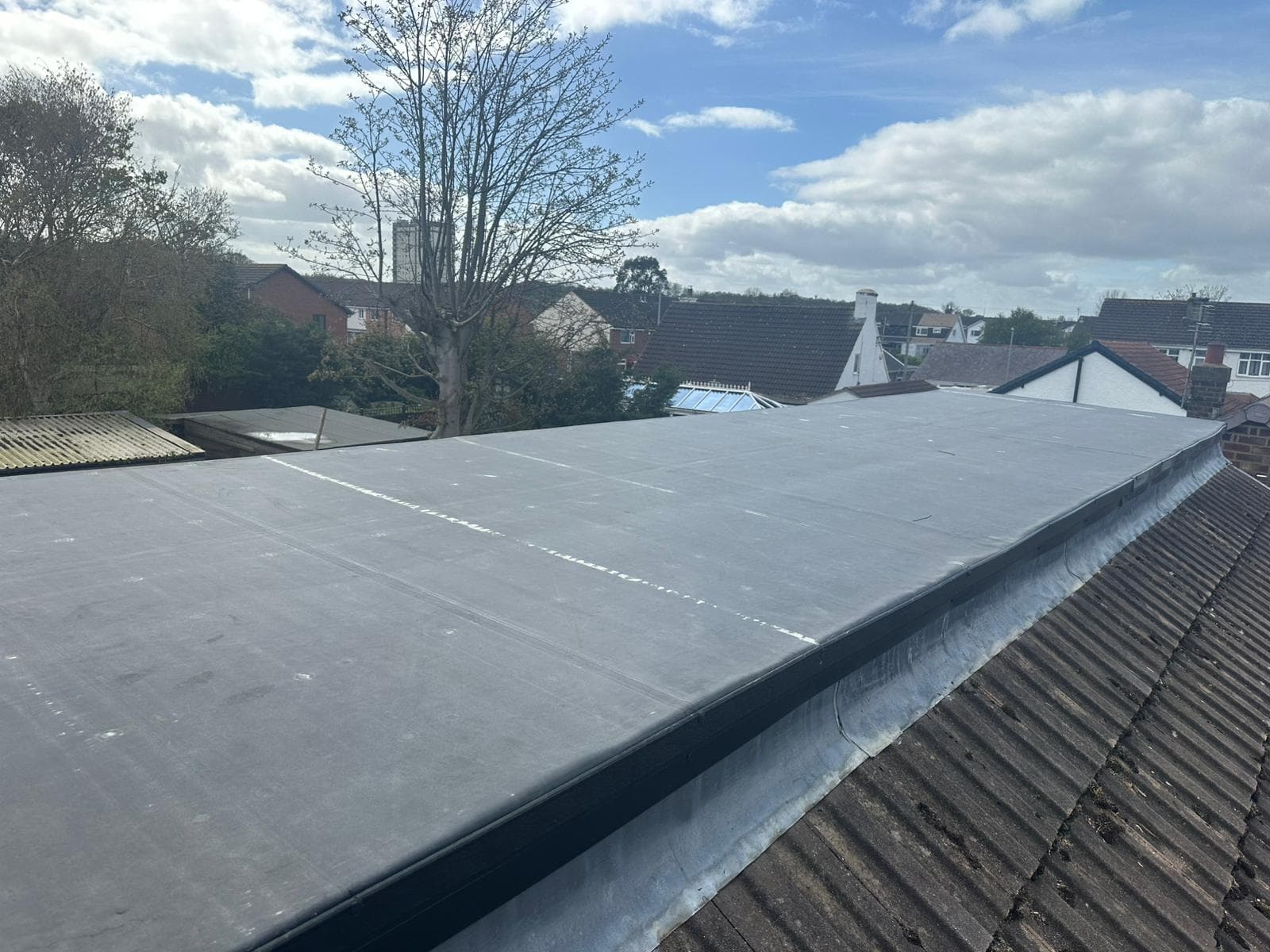
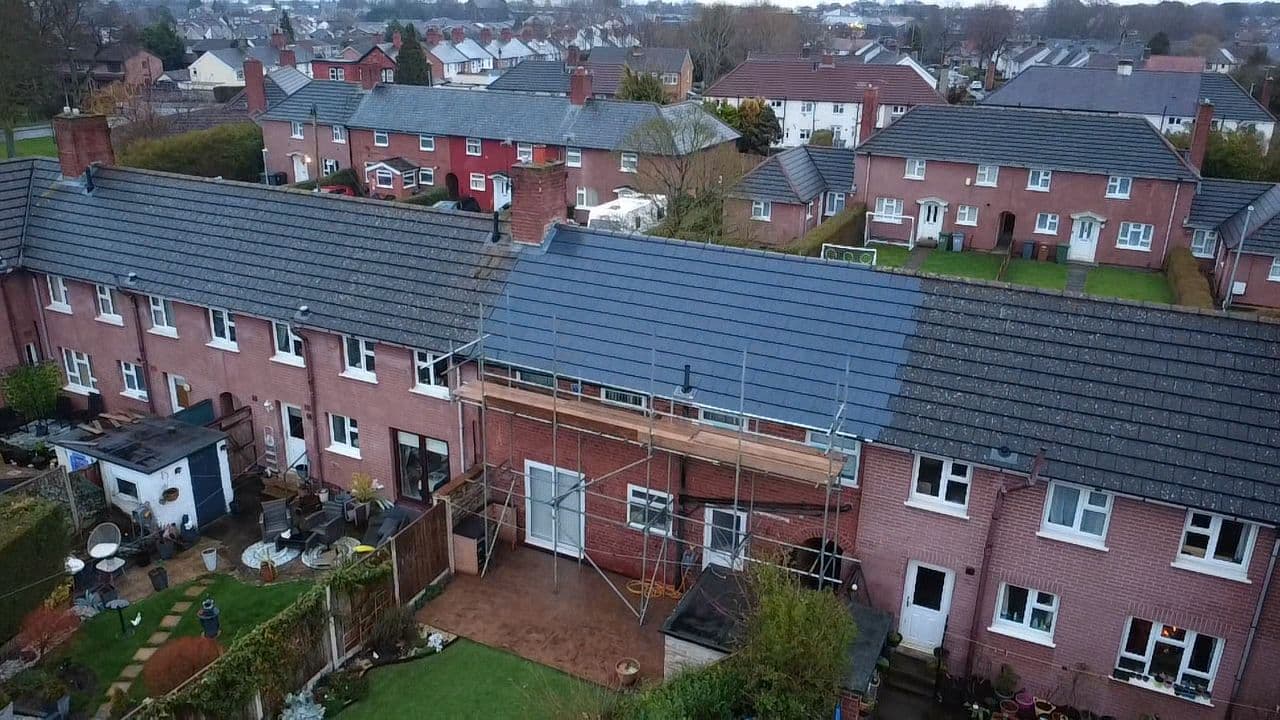
Rhyl sits at LL18 on the open North Wales coast, facing north across Liverpool Bay toward the Lancashire shore. It is the most aggressively salt-exposed town in the area we cover. The seafront promenade and the streets behind it, from West Parade through to the streets around Queen Street and the High Street, take direct onshore winds without meaningful shelter, and the rooflines on those properties show it.
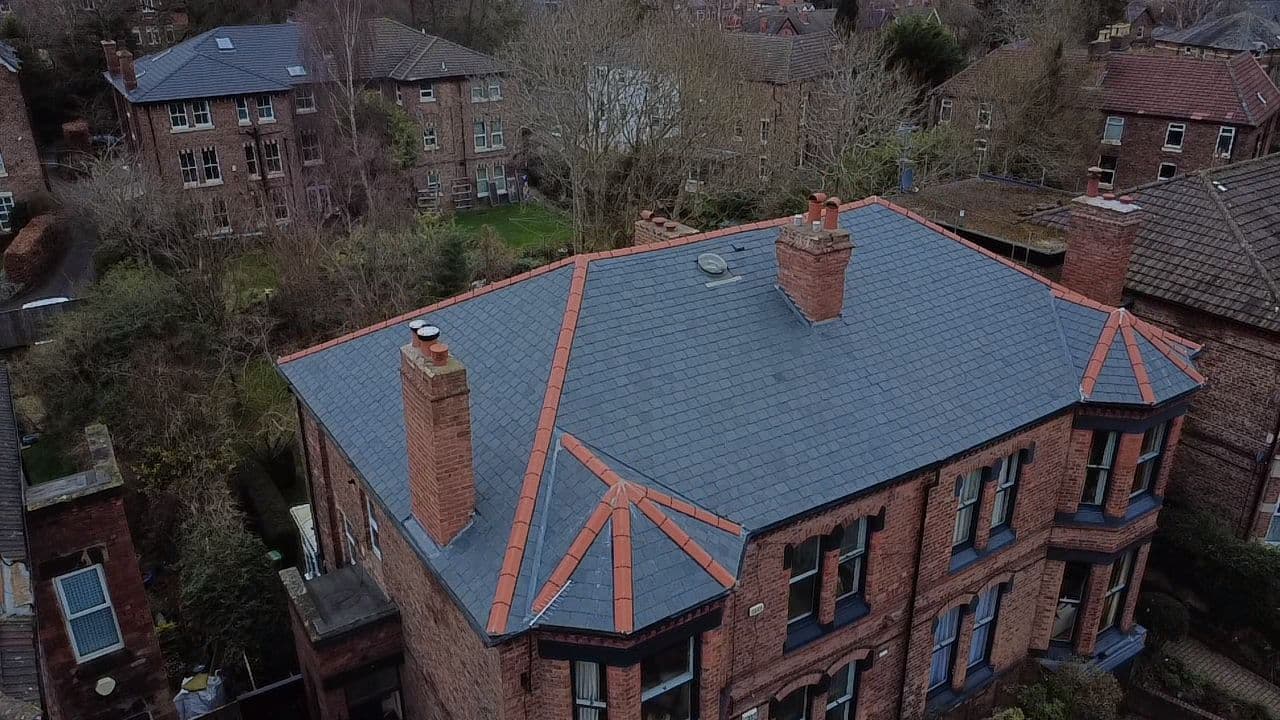
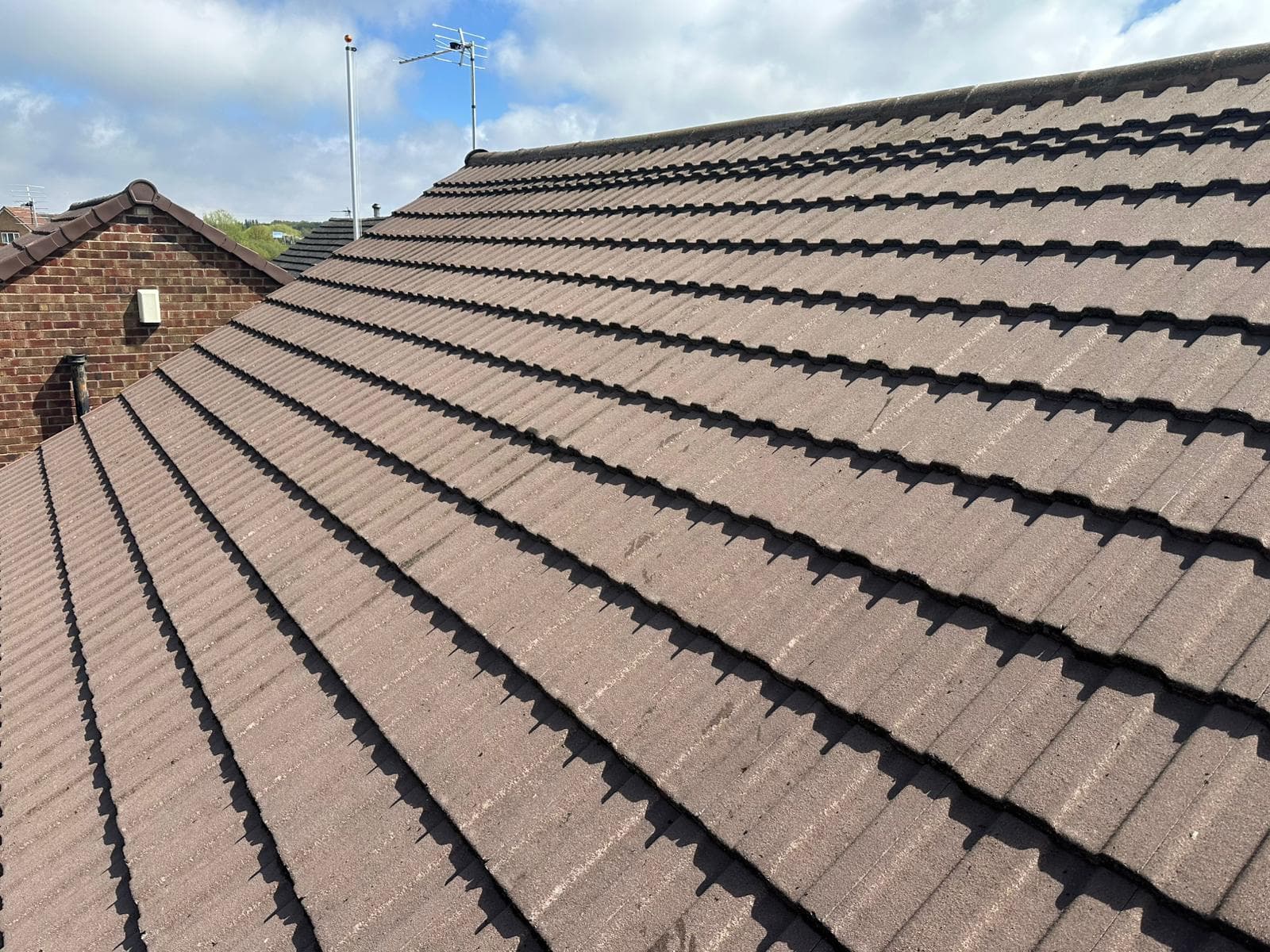
The stock is a classic seaside mix: Edwardian terrace and semi-detached on the better-built residential roads, mid-century semi on the estates that grew after the second world war, and a higher-than-average proportion of converted properties that have been through multiple tenants and landlord regimes. The concrete tile on the mid-century semis is in a worse condition than equivalent stock inland, because the salt deposition rate means mortar joints open in ten years rather than twenty. Ridge and verge mortar on Rhyl properties facing north or north-west should be checked every five to seven years rather than the standard decade.
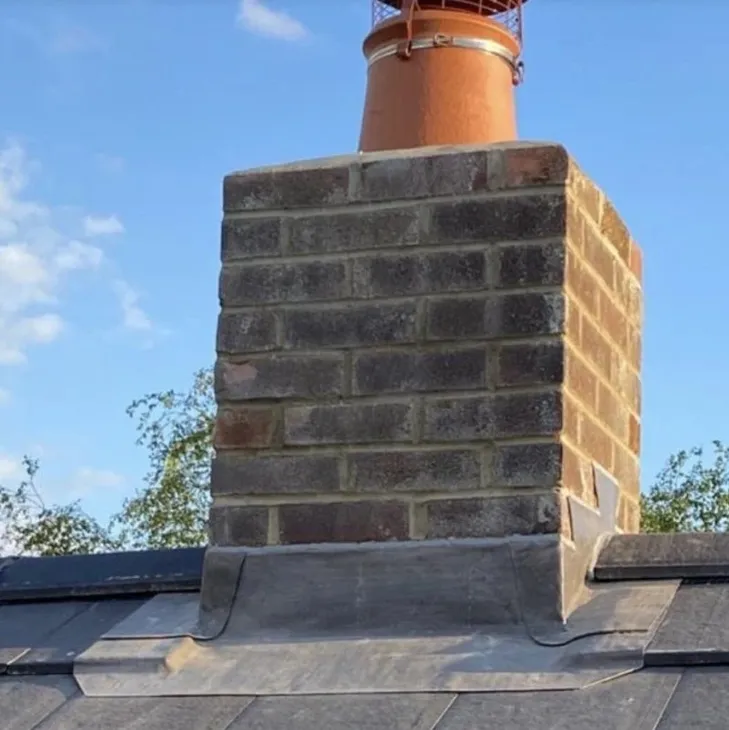
Lead flashing at chimney abutments corrodes faster in coastal salt air than it does inland, even with Code 4 material. We recommend Code 5 lead on any new chimney flashing work on the Rhyl seafront side, and patination oil treatment on completion to slow the surface oxidation rate. The Chester Team reaches Rhyl from Chester in about fifty minutes for emergency callouts.